One sec…
Acapulco Gold
Legendary Mexican landrace sativa — gold-tinted, sweet, classic.
Acapulco Gold is in stock at both stores today.
- In stock Here at GL Wenatchee
- In stock At SCC Seattle · See it on the SCC Seattle menu →
Live stock updates every few minutes. Call ahead if you want a budtender to set one aside.
Acapulco Gold is the Mexican landrace that built the American conception of what sativa cannabis should taste like. Through the late '60s and into the '70s it was the import name on every serious smoker's lips — written into Cheech & Chong bits, sung about by Led Zeppelin, mentioned by name in countless underground magazines of the era. The name comes from the gold-orange tint the buds took on under Mexican Pacific-coast sun, not from any particular brand or breeder. The original landrace adapted to Guerrero state's hot dry highlands over generations of local cultivation. Most of what gets sold as Acapulco Gold on a Washington shelf today is an honest recreation by a modern breeder working from preserved seed lines — the true original landrace, never stabilized as a clone, mostly disappeared from the U.S. market by the early '80s when interdiction and domestic indica lines reshaped what was available. The recreations are good; they're just not the same thing as a 1973 bag of Acapulco Gold.
Live inventory
In stock today
2 Acapulco Gold-related products available at Green Life Cannabis right now.
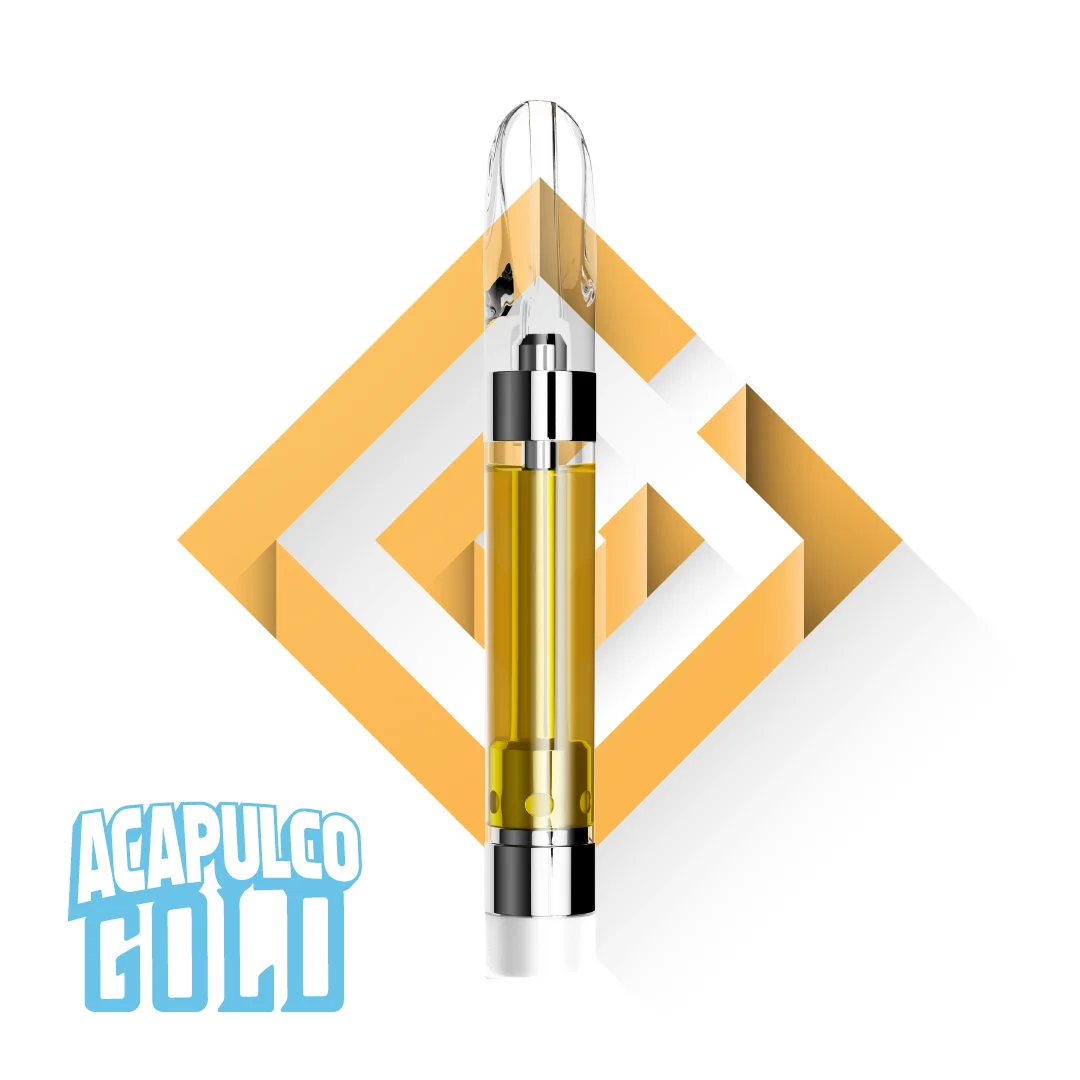
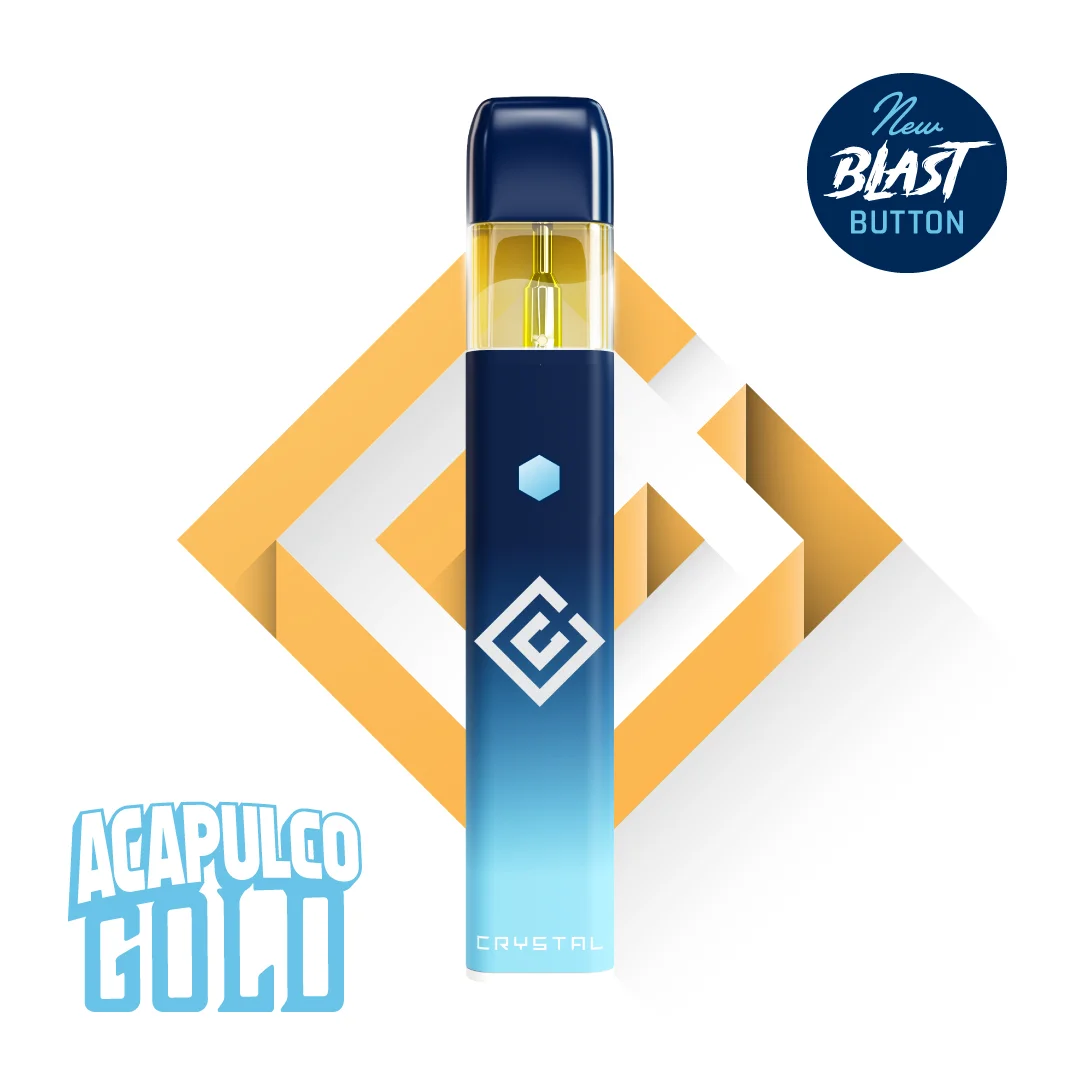
Genetics
Family tree
Acapulco Gold's parents, descendants, and sister strains in the catalog.
Aromatic chemistry
Terpene profile
Pinene
Pinene leads on Acapulco Gold — sharp fresh pine on the nose, the same compound you smell when you walk into a Christmas tree lot in December. It's the dominant terpene on most clean landrace sativas, and customers who pick pinene-forward strains tend to want the brighter, less-cluttered end of the shelf. Sets the daytime character of the strain before any of the other terpenes have a chance to register.
Caryophyllene
Caryophyllene is the spice in Acapulco Gold's profile — a peppery, slightly woody base that you can taste with your tongue as readily as you can smell it with your nose. AG carries it modestly, which is enough to round out the exhale with a low warmth that supports the pine on top instead of fighting it. Chemically the same family as the bite in cracked peppercorn and the heat behind a clove stud in a holiday ham. Without this terpene the strain would flatten into one-dimensional brightness; with it, the back of the throat picks up a finishing warmth that signals 'grown-up sativa' instead of 'pretty floral hybrid.'
Humulene
Humulene is the beer-hop compound — the same molecule that gives an IPA its bitter resinous edge. On modern hybrid cannabis it's mostly been bred out in favor of fruit-forward terpenes; you really only encounter humulene as a leading note on preserved landrace lines like AG. Here it lays down a damp-earth undertone that announces the landrace heritage to anyone who knows what they're smelling. The hoppy register is what sets AG apart from any modern sativa pretending to fill the same shelf slot.
Customers often describe
EnergeticUpliftedHappyCreative
Aroma + flavor
Sweet earthToffeePine
Best for
- ✓ Best as a daytime sativa for a long outdoor day
- ✓ Pairs with hiking, a creative project, or a Saturday's worth of errands
- ✓ Goes well with coffee — the pine + toffee notes line up with a darker roast
- ✓ Heritage pick for customers curious about pre-modern cannabis flavor
Be cautious if
- ! Anxiety-prone — runs head-up
- ! You want body relaxation
Frequently asked about Acapulco Gold
How close is modern Acapulco Gold to the original 1970s landrace?
Closer than skeptics give it credit for, but not the same plant. The honest recreations on shelves today work from preserved seed stock and old-grower interviews, and a good one captures the pine-toffee aroma and head-up character well. What's missing is the specific Guerrero-state terroir — sun intensity, soil minerals, dry mountain air — that the original adapted to over generations. Think of it like a well-made replica of a regional wine grown in a different climate: faithful, but the place is part of the original.
Why was Acapulco Gold such a big deal in the '60s and '70s?
Two reasons. First, before domestic U.S. cultivation took off, almost all American cannabis was imported, and Mexican landraces dominated the supply — AG was the premium import, the one dealers charged extra for and serious smokers asked for by name. Second, the sativa character was unusual against the harsher, less-developed Mexican brick weed that made up most imports. The pine-toffee aroma and clean head-up effect set a quality bar a lot of regional names tried to match.
What does Acapulco Gold smell like on the crack of the jar?
Distinct from almost anything on a modern shelf. Top is sharp fresh pine — the cleanest pine note on a sativa, no diesel underneath. Middle is sweet caramel-toffee, the warm-sugar smell of a candy thermometer at hard-crack stage. Base is damp earth and a faint herbaceous edge from the humulene. Reads less polished than a modern hybrid, more like something pulled from the ground than something engineered.
How does AG taste when you smoke it versus how it smells?
Lighter than you'd expect from the jar. On the inhale, sweet earth and toffee come through first, the pine sitting just behind. On the exhale, pine sharpens and a clean almost-mineral finish lands on the back of the tongue. Burns clean — well-cured landrace flower burns to a white-gray ash with the kind of even draw modern hybrids sometimes lose to their oil content.
Is Acapulco Gold indica, sativa, or hybrid?
Sativa — landrace pure, with no indica genetics in the original. The energetic clear-headed character is what made AG the import sativa of the '70s. The recreations on shelves stay true to that profile. If you've been smoking modern hybrid sativas, AG will feel cleaner and more head-up — closer to a pure pine-citrus daytime strain than a mixed-effect cross.
How strong is the modern AG you'd actually find on a Washington shelf?
Tests in the 15–23% THC range, with most batches landing on the lower-middle end — modern hybrids regularly clock 25-30%, so AG reads as moderate by current standards. That's not a knock; landrace genetics weren't bred for THC chasing, and the head-up character of the strain doesn't need a high number to come through. Built-tolerance customers shouldn't expect a heavy hit; new customers will find it manageable.
What time of day does Acapulco Gold belong to?
Morning or early afternoon, no question. The pinene-led nose and head-up character make it the kind of sativa customers reach for before a day with a to-do list, an outdoor plan, or a creative session. Wrong pick for after dinner or an evening on the couch — there's not enough body in the strain to land that softly.
Why is it so hard to find true Acapulco Gold these days?
The original landrace never got stabilized as a clone, and the seed stock that traveled north in the '60s and '70s mostly got crossbred into hybrid genetics through the '80s and '90s before clone-preservation culture caught up. Some preservationists kept lines going, and modern recreations work from that material. But the through-line from the original Guerrero-state plant to a 2026 Washington shelf is mostly broken — what's left are good-faith reconstructions, not direct descendants.
Other sativa strains worth a look
Jack Herer
Clear-headed sativa that built a movement.
Haze × (Northern Lights #5 × Shiva Skunk)
Green Crack
Energetic daytime sativa — Snoop Dogg's old wake-up pick.
Skunk #1 × Afghani (debated)
Strawberry Cough
Sweet, social sativa with a tickle-the-throat smoke.
Strawberry Fields × Haze (debated)
Haze
Foundational landrace sativa — parent of countless modern sativas.
Mexican × Colombian × Thai × Indian landraces
Tangie
Bright tangerine sativa from DNA Genetics.
California Orange × Skunk #1
Panama Red
1960s Central American landrace — clear, classic sativa.
Panamanian landrace
Verified May 15, 2026 against 2 sources.
21+. Cannabis affects people differently — your experience may vary. Not medical advice. Effects described are common customer reports, not promises. Green Life Cannabis, Wenatchee, WA.