One sec…
Maui Wowie
Hawaiian island sativa — sweet pineapple, easy energy.
Maui Wowie is in stock at both stores today.
- In stock Here at GL Wenatchee
- In stock At SCC Seattle · See it on the SCC Seattle menu →
Live stock updates every few minutes. Call ahead if you want a budtender to set one aside.
Few strains carry the kind of geographic identity Maui Wowie does. The story starts on the slopes of Haleakalā in the 1960s, where Hawaiian farmers cultivated tropical sativa cannabis from Mexican and Southeast Asian landrace seed brought over by mid-century traders. By the early 1970s the strain had a name — Maui Wowie or Maui Waui, depending on the surf-shop you bought it at — and was being smuggled to the mainland by mailing it in coffee cans through the postal system. It hit Berkeley and San Francisco first, then the Northeast, and by the late '70s it was one of the original brand-name strains in U.S. cannabis culture. What gets sold as Maui Wowie on a Washington shelf today is a downstream selection from those landrace seeds, kept alive through decades of pheno-hunting at growers like Pua Mana 1st Hawaiian Pakalōlō Seed Bank. The strain reads gentler than most modern sativas — the THC sits in the 15–20% range where 1970s flowers actually tested, not the 24–30% modern shelf has drifted to — and longtime smokers reach for it specifically because it feels closer to what cannabis used to feel like. On our floor it rotates as a top-seven mover at Wenatchee, anchored by customers who remember the name from the first time they ever heard cannabis discussed by name.
Live inventory
In stock today
6 Maui Wowie-related products available at Green Life Cannabis right now.
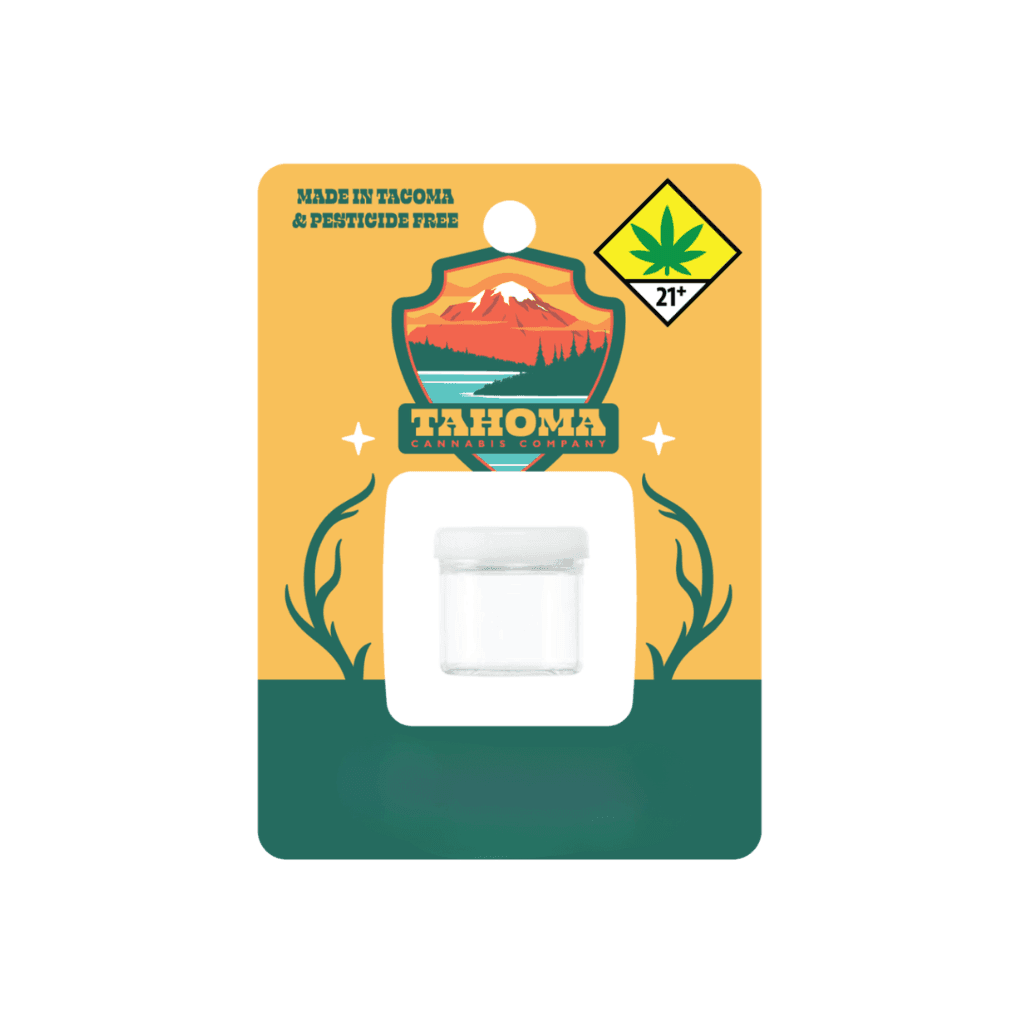
Tahoma
Tahoma · DOH Concentrate · 1g
THC 87.9%·DOH Concentrates
$6.00$10.00
✓ Maui Wowie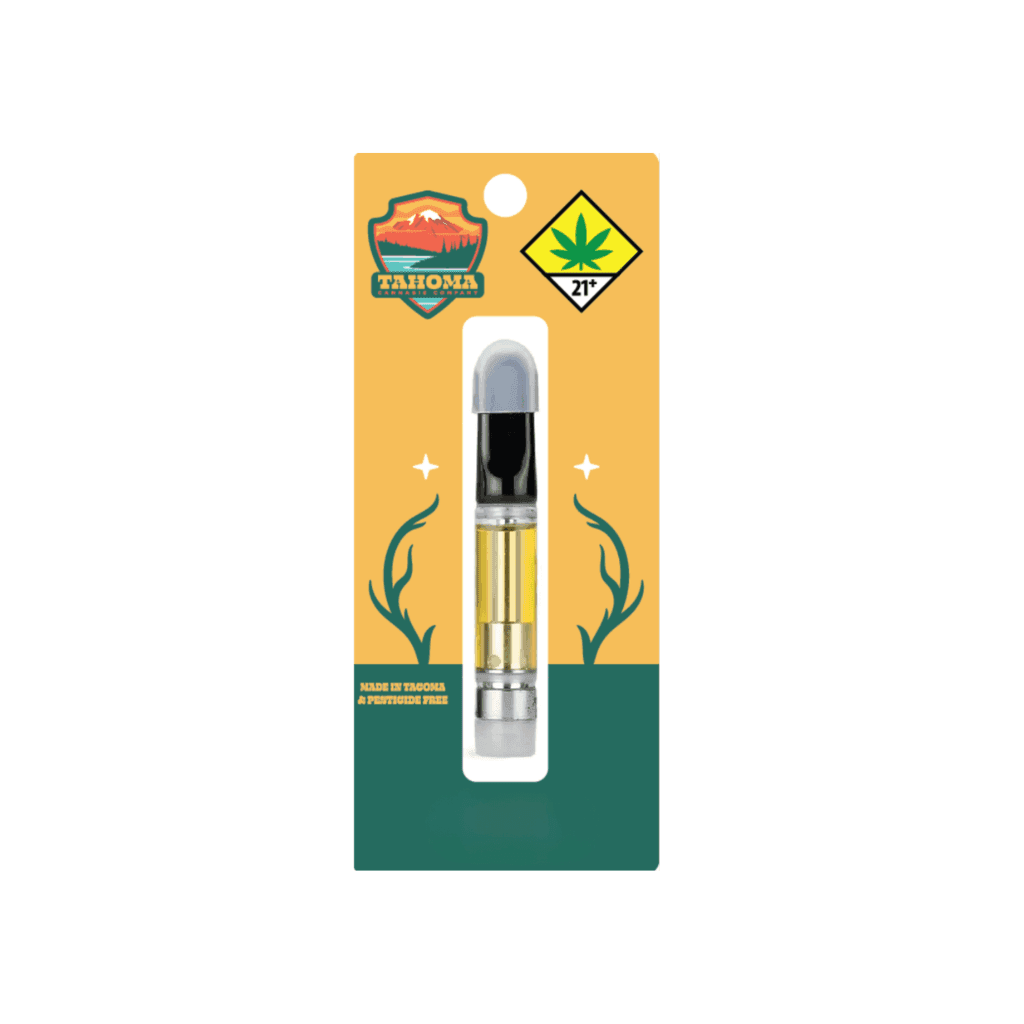
Tahoma
Tahoma · 1g
THC 90.1%·DOH Cartridge
$12.00$20.00
✓ Maui Wowie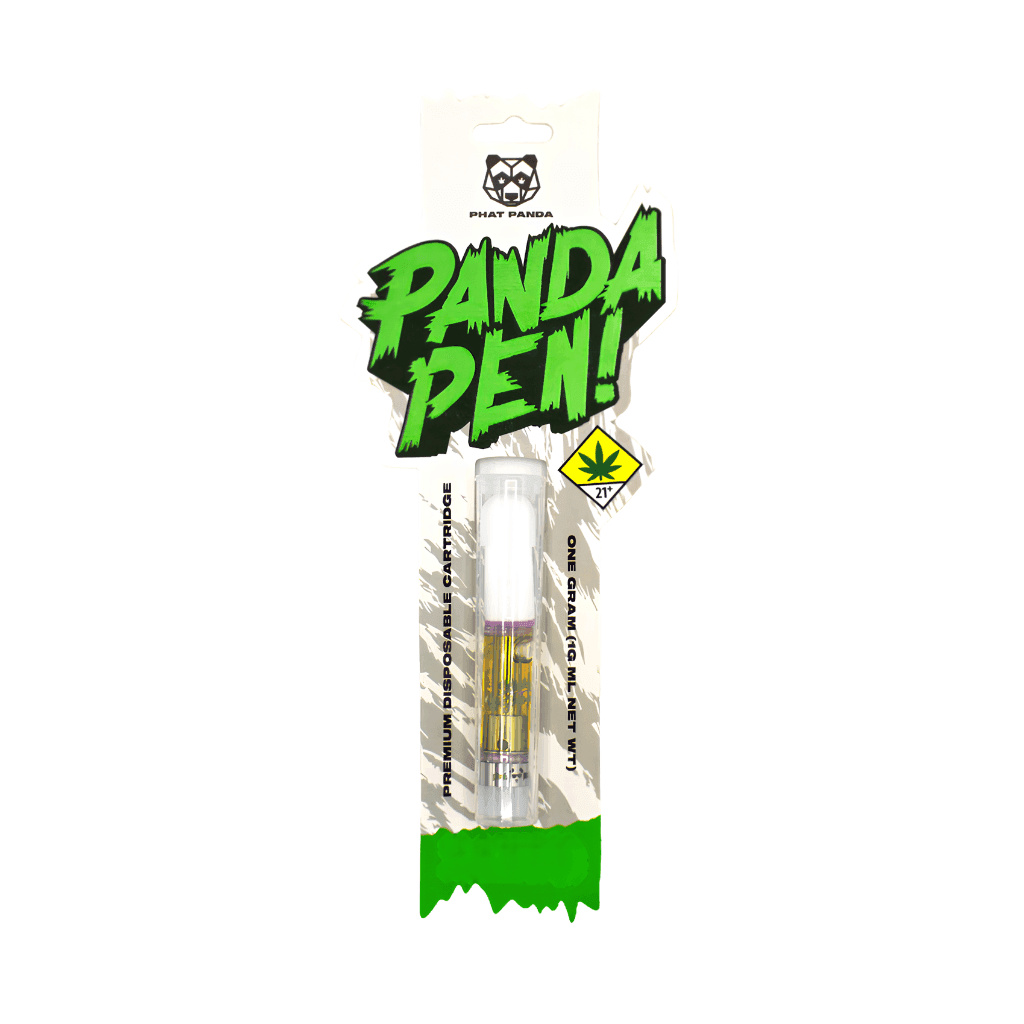
Panda Pen
Panda Pen · 510 Cart · 1g
THC 91.0%·DOH Cartridge
$18.00$30.00
✓ Maui Wowie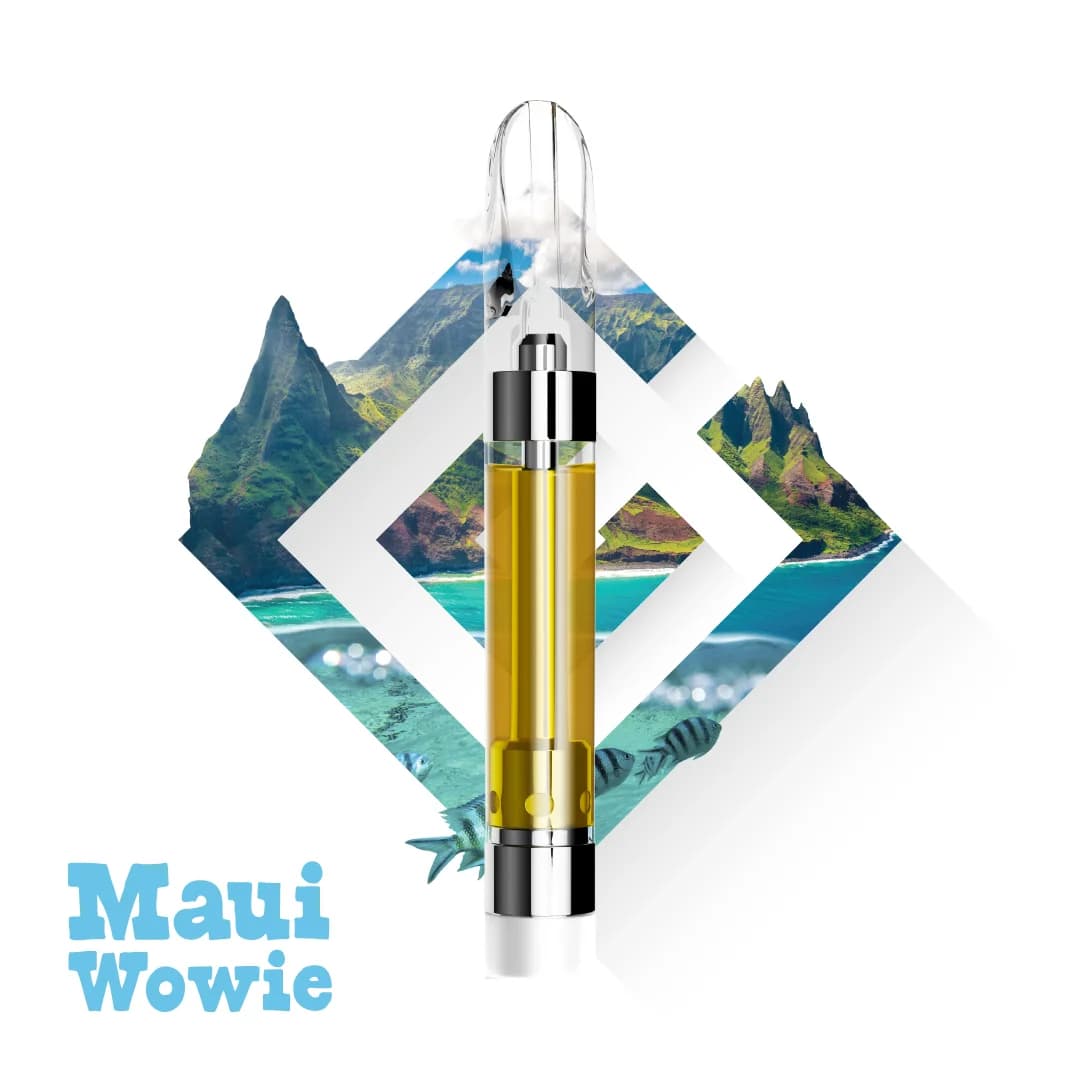
Crystal Clear
Crystal Clear · 1g
THC 89.0%·DOH Cartridge
$18.00$30.00
✓ Maui Wowie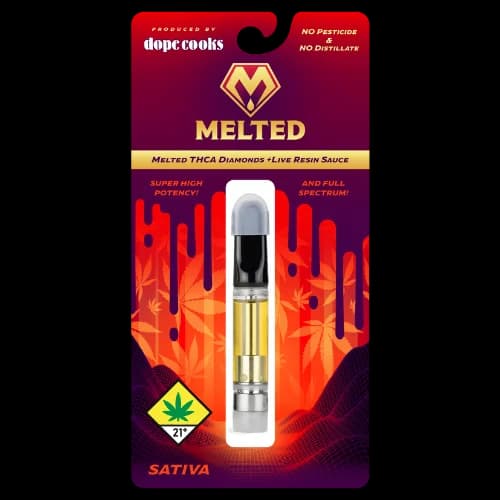
Melted
Melted · 510 Cart · 1g
THC 90.6%·DOH Cartridge
$16.80$28.00
✓ Maui Wowie
Dabstract
Dabstract · Live Resin Icing · 1g
THC 77.0%·DOH Concentrates
$16.80$28.00
✓ Maui WowieGenetics
Family tree
Maui Wowie's parents, descendants, and sister strains in the catalog.
Aromatic chemistry
Terpene profile
Limonene
Limonene leads — but it reads as tropical citrus rather than as lemon-zest brightness, which is the Hawaiian-landrace signature. The pineapple-and-mango quality on the nose is limonene expressed through Pacific island chemovars, distinct from the limonene you'd find on a California strain like Tangie. Regulars who like Pineapple Express or Golden Pineapple often rotate Maui in when they want the closer-to-source version.
Myrcene
Myrcene is the soft earth base — the loamy, damp-soil note that anchors the tropical citrus on top. On most modern sativas myrcene drops to third or fourth, but on Hawaiian landrace strains it stays in the top three, which is why Maui has more body to it than a contemporary terpinolene-led sativa.
Pinene
Pinene is the fresh-pine note on the back end — light, almost incense-quality on Maui, distinct from the sharper pine you'd find on Jack Herer. Hawaiian landrace selections kept pinene as a softer supporting player rather than letting it dominate; the effect is a head-up that reads easy rather than racey, which is part of why the strain feels gentler than modern shelves do.
Customers often describe
UpliftedHappyEnergeticCreative
Aroma + flavor
PineappleTropical citrusSweet
Best for
- ✓ A gentler daytime sativa for customers who want softer-than-modern energy
- ✓ Pairs with the kind of slow Saturday where coffee on the porch is the whole agenda
- ✓ Goes well with a beach trip, a paddleboard session, or any low-stakes outdoor afternoon
- ✓ Anchor pick for longtime smokers who remember when cannabis tested 15% and that was plenty
Be cautious if
- ! You want the heavier modern sativas that test 24–30% — Maui will read mild by comparison
- ! You're looking for the heavy body-landing that closes a day
Frequently asked about Maui Wowie
Is Maui Wowie a real Hawaiian strain?
Yes — the original is a Hawaiian landrace from the 1960s and '70s, cultivated on the slopes of Haleakalā on Maui from Mexican and Southeast Asian landrace seed brought over by mid-century traders. The strain that hits Washington shelves today is a downstream selection from those original seeds, kept alive through decades of pheno-hunting at Hawaiian seed banks. It's one of the few American landrace strains that survived the post-prohibition consolidation of the catalog.
Why is the spelling so inconsistent — Maui Wowie, Maui Waui, Mawi Wowi?
Surf-shop branding from the 1970s. The strain spread through informal trade networks before anyone standardized the spelling, and different selling crews used different versions. By the time the strain hit the U.S. mainland in the late '70s, all three spellings were circulating simultaneously. Maui Wowie is the spelling Washington menus default to today, but you'll still see Maui Waui on older packaging.
What does Maui Wowie actually smell like on the crack of the jar?
Ripe pineapple leads — closer to the fruit itself than to a candy version, with a softer acidity than the Pineapple Express nose carries. Tropical mid-citrus follows, reading like mango or papaya. Underneath sits a soft floral-sweetness with a faint damp-earth note that's the Hawaiian-landrace signature. The whole nose is gentler than a modern sativa; it's quieter on the room and shorter on the lingering.
How does the smoke read against the nose?
Closer than most. On the inhale the pineapple lands first, sweeter and gentler than the nose suggested. On the exhale tropical citrus pushes through and the sweetness pulls back, leaving a faintly floral finish on the lips. Burns clean, with light gray ash. The strain that gets sold as Maui Wowie in 2026 is closer to a soft cocktail than a strong drink.
Who tends to walk out with Maui Wowie in our shop?
Two distinct customer types. Longtime smokers who remember the name from cannabis culture in the '70s and '80s and reach for it as a comfort pick — these are the customers who tell us at the counter 'this is what cannabis used to feel like.' And new-to-cannabis customers who got recommended a gentler sativa to start with, since the 15–20% THC range lands more predictably than the 24–30% range modern shelves have drifted into.
How strong is Maui Wowie?
Lab work usually shows 15% to 20% THC — middle of the modern shelf, distinctly below the heavy-hitter range. Most customers find it predictable: clear head, gentle body, no surprises in either direction. It's one of the easier strains to recommend to a customer who's nervous about over-shooting, and one of the few sativas where a full bowl rarely risks over-doing it for an average-tolerance smoker.
What time of day is Maui Wowie best for?
Daytime, all the way through — morning, early afternoon, late afternoon. The head-up is gentle enough that you can carry it through a day of low-stakes activity without feeling wired or cooked. The handful of customers who pick it up for evening use generally do so because they want the head-up without the body-landing of an indica.
How often do you carry Maui Wowie?
Steady rotation. Wenatchee moves it in top-seven volume territory, with re-up roughly every three to four weeks. Different growers cycle through, so the pheno-expression varies — some batches read more pineapple-forward, others lean tropical-citrus — but the Hawaiian-landrace through-line stays consistent. Seattle carries it too at a slightly steadier cadence.
Other sativa strains worth a look
Sour Diesel
The East Coast sativa that defined an entire aroma category.
Chemdawg × Super Skunk (debated)
Trainwreck
Fast-hitting sativa with spicy pine bite.
Mexican × Thai × Afghani (debated)
Green Crack
Energetic daytime sativa — Snoop Dogg's old wake-up pick.
Skunk #1 × Afghani (debated)
Durban Poison
Pure South African landrace sativa — sweet, spicy, energetic.
South African landrace
Strawberry Cough
Sweet, social sativa with a tickle-the-throat smoke.
Strawberry Fields × Haze (debated)
Lemon Haze
Bright lemon-zest sativa — clean, head-up, daytime.
Lemon Skunk × Silver Haze
Verified May 15, 2026 against 2 sources.
21+. Cannabis affects people differently — your experience may vary. Not medical advice. Effects described are common customer reports, not promises. Green Life Cannabis, Wenatchee, WA.